Water Extraction in Lutz, FL
Every gallon left on the floor keeps soaking into baseboard, drywall and the slab. The extraction crew pulls standing water out first with truck-mounted units, so drying starts on a floor that is damp, not flooded.
(888) 621-2041Water pooling on the floor? Call now.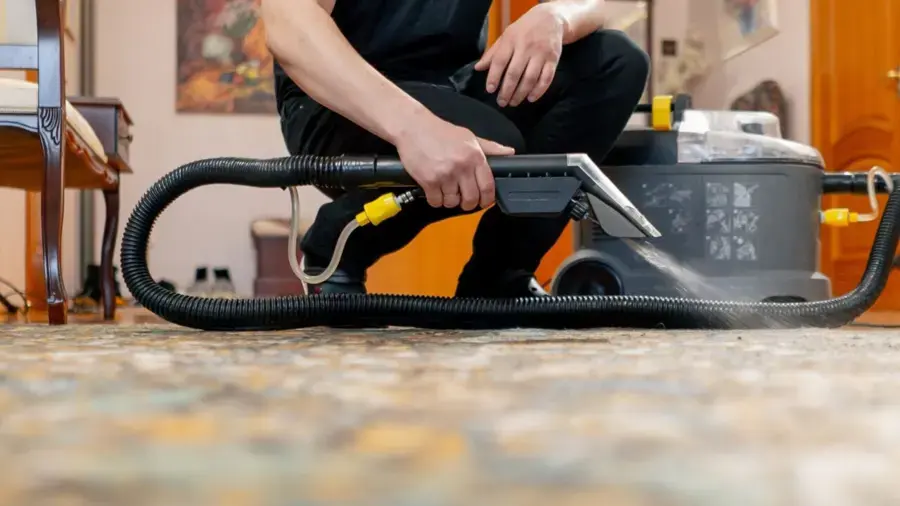
First steps for water extraction in Lutz
Stop the source
Close the main valve or the fixture shutoff.
Kill wet circuits
Only if the breaker panel sits in a dry spot.
Move what you can
Lift rugs, electronics and paper off the floor.
Photograph it
Every room and the water line before cleanup starts.
How the Lutz team handles water extraction
Moisture mapped first
The tech who does the walkthrough reads walls, slab and cabinets with pinless meters and thermal imaging before any fan goes down.
IICRC S500 drying standard
The drying team works to IICRC S500, the industry drying standard: structural drying, not just surface drying.
Claim-ready documentation
Daily readings, drying logs and timestamped photos build the file an adjuster reviews.
Lutz water experts
Slab leaks on karst ground, pool home lanais, summer roof leaks and septic backups are routine work north of Tampa.
What does water extraction cost in Lutz, FL?
In Lutz, FL, water extraction typically runs $450 to $2,800 on its own, and most jobs roll straight into drying. The drivers are how much water is standing, how many rooms it reached, whether carpet or tile is wet, and the water category.
One room, clean water
$450 to $1,100
- Portable or truck-mounted pass
- Tile, plank or carpet
- Moisture map included
Several rooms
$1,100 to $2,000
- Truck-mounted extraction
- Carpet pad pressed or pulled
- Baseboards removed
Whole floor or Category 3
$2,000 to $2,800+
- Protective gear and containment
- Porous materials removed
- Antimicrobial treatment
For a closer planning figure, run the Lutz water damage cost calculator. A firm number comes from the on-site walkthrough.
The water extraction process in Lutz, start to dry
Four stops, in the same order on every job.
- 1
Walk and map
The tech who does the walkthrough traces where the water went, room by room, and marks the wet edge.
- 2
Extract
The extraction crew pulls standing water first, usually with truck-mounted units.
- 3
Dry to the load
Air movers and LGR dehumidifiers run at the load each room needs, with readings every day.
- 4
Verify dry
Equipment comes out when readings sit within 2 to 4 points of a dry reference material.
Extraction is the cheapest drying there is. A truck-mounted extractor removes water as liquid; everything left behind has to be pulled out later as vapor by air movers and dehumidifiers, which takes days. In Lutz, where most floors are tile over a slab or carpet over a pad, a thorough pass in the first hours decides whether flooring and baseboard can stay.
How extraction works in a Lutz home
- The tech who does the walkthrough maps the wet area with meters so the crew knows where the water went under cabinets and into adjoining rooms.
- The extraction crew runs truck-mounted units for large volumes and portable units where hoses cannot reach, such as second floors in Heritage Harbor or gated homes in Cheval.
- On carpet, weighted extraction tools press water out of the pad; on tile and slab, squeegee wands pull it off the surface and out of grout joints.
- Baseboards may come off so the base of the drywall and the block wall can breathe.
Why speed matters in Florida humidity
Water that sits turns clean Category 1 water into Category 2 as it picks up soil and heat, and the humid air north of Tampa slows natural evaporation. Mold can start growing within 24 to 48 hours on wet drywall and carpet pad. Pulling the bulk water early keeps the loss smaller, the drying shorter and more material in place. Where the water came from a sewer, a septic system or rising lake water, the job becomes sewage and septic backup cleanup instead.
What happens after the water is out
Extraction ends when the surface stops giving up water, not when it looks dry. The drying team then sets air movers and LGR dehumidifiers for structural drying and records readings every day until the goal is met.
Flood safety from Ready.gov and storm updates from the National Weather Service Tampa Bay office.
Water extraction across Lutz and the lakes north of Tampa
The Lutz restoration crew covers Cheval, Lake Fern, Crenshaw Lake, old Lutz along US 41, Sunlake Boulevard and Heritage Harbor, plus Land O' Lakes, Odessa and Carrollwood, ZIP codes 33548, 33549, 33558 and 33559.
Every neighborhood and ZIP coveredRelated water damage services in Lutz
Water Extraction and Removal questions in Lutz, FL
How fast should water be extracted?
As soon as the source is stopped. Every hour on the floor pushes more water into baseboard, drywall and the slab, and mold can start within 24 to 48 hours.
Can wet carpet be saved?
Often, when the water is clean and extraction starts early. The pad usually comes out on Category 2 water, and both go on Category 3 water.
Is a shop vac enough?
A shop vac removes surface water but not what sits in the pad, under tile edges or in drywall. Truck-mounted extraction pulls far more water per pass.
Does extraction include drying?
Extraction removes liquid water. Air movers and dehumidifiers then dry the structure, with daily readings until the goal is met.
What if the water came from outside?
Rain or lake water that entered from outside is treated as Category 3, so porous materials it touched are removed, not dried.
Will insurance pay for extraction?
For a sudden and accidental loss it is usually part of the claim. Coverage depends on your policy, so it is worth checking with your own insurer.
Standing water in Lutz? Get the pump-out started.
Water on tile over a slab spreads under cabinets and into block walls within hours. The extraction crew works day and night across Lutz and northern Hillsborough County.